
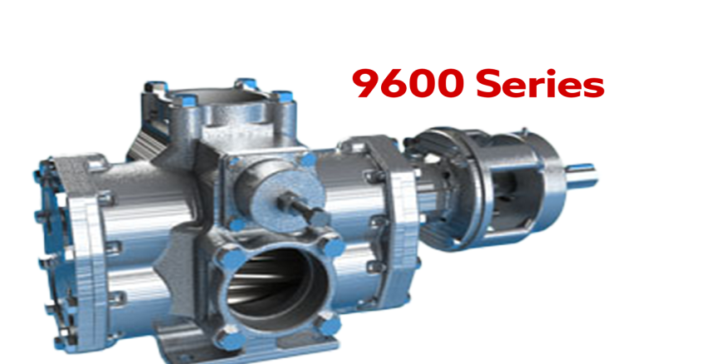
Industrial operations are constantly evolving to meet growing demands for speed, accuracy, and reliability. As production environments become more complex, the systems that move fluids play a crucial role in shaping the overall workflow. One technology that has quietly but significantly influenced industrial efficiency is the gear pump. Known for its precision and durability, this type of pump is changing how industries manage flow control, reduce downtime, and streamline daily operations.
Understanding the Basic Working Principle of Gear Pumps
A gear pump operates by using two interlocking gears that rotate within a housing. As the gears turn, they trap fluid between the gear teeth and the pump casing, moving it from the inlet to the outlet at a steady rate. This simple yet effective design delivers consistent flow and precise volume control.
Because the output is directly related to the speed of rotation, gear pumps offer predictable performance. This reliability makes them especially valuable in processes where accuracy and consistency are essential to maintaining quality standards.
Why Gear Pumps Fit Modern Industrial Needs
Modern industries require equipment that can operate continuously with minimal disruption. Gear pumps meet this requirement by providing stable flow under a wide range of operating conditions. Their compact design allows them to integrate easily into existing systems without extensive modifications.
As manufacturing and processing environments move toward automation, gear pumps support a smoother workflow by reducing fluctuations in fluid delivery. This consistency improves process timing and coordination between different stages of production.
Improving Precision and Process Control
Precision is a key factor in modern industrial workflow. In applications involving dosing, lubrication, or fluid transfer, even small variations in flow can lead to inefficiencies or quality issues. Gear pumps excel in maintaining uniform flow rates, which helps stabilize downstream processes.
This level of control is particularly beneficial in systems that require accurate metering. By delivering a fixed volume of fluid per rotation, gear pumps simplify calibration and reduce the need for constant adjustments. As a result, operators can focus on optimizing production rather than managing flow inconsistencies.
Supporting High Temperature Applications
Industrial processes often involve extreme operating conditions, including elevated temperatures. Certain applications require pumps that can handle hot fluids without performance degradation. A high temp oil pump application, for example, demands stable operation under thermal stress.
Gear pumps are well-suited for these environments due to their robust construction and ability to maintain efficiency at high temperatures. Their design allows for reliable movement of heated fluids, supporting workflows in industries such as manufacturing, energy, and processing facilities where thermal stability is critical.
Reducing Downtime and Maintenance Interruptions
Downtime can significantly impact productivity and profitability. Equipment failures or frequent maintenance interruptions disrupt workflow and create bottlenecks. Gear pumps contribute to improved uptime by offering durable performance and predictable wear patterns.
Their straightforward mechanical design makes maintenance more manageable. With fewer moving parts compared to more complex systems, gear pumps are easier to inspect and service. This simplicity helps maintenance teams plan interventions more effectively and avoid unexpected breakdowns.
Enhancing Energy Efficiency in Operations
Energy efficiency has become a priority for industries seeking to reduce operational costs and environmental impact. Gear pumps support these goals by operating efficiently at various speeds and pressures. Their ability to deliver consistent output without excessive energy loss contributes to lower power consumption.
By minimizing internal leakage and maintaining tight clearances, gear pumps convert mechanical energy into fluid movement more effectively. This efficiency supports smoother workflows and aligns with modern sustainability objectives.
Adapting to Diverse Industrial Applications
One of the reasons gear pumps are reshaping workflow is their adaptability. They are used across a wide range of industries, from chemical processing and manufacturing to lubrication systems and fluid transfer operations. This versatility allows organizations to standardize equipment choices, simplifying training and spare part management.
In specialized applications, such as handling hot oils or viscous fluids, gear pumps provide reliable performance where other pump types may struggle. Their ability to handle both low and high viscosity fluids makes them a flexible solution in dynamic production environments.
Integrating With Automated Systems
Automation has transformed industrial workflow by increasing speed and reducing human error. Gear pumps integrate well with automated systems due to their predictable performance characteristics. When paired with variable speed drives and control systems, they offer precise regulation of flow rates.
This integration supports real-time adjustments and data-driven decision-making. Automated control of gear pump operation helps maintain consistency, improve quality, and reduce waste across production lines.
Improving Safety and Process Reliability
Stable fluid handling contributes to safer operations. Inconsistent flow or pressure spikes can lead to equipment stress or hazardous conditions. Gear pumps help mitigate these risks by delivering smooth, controlled fluid movement.
In high temperature environments, such as those involving a high temp oil pump application, reliable performance is essential to maintaining safety standards. Gear pumps provide the stability needed to support safe and controlled workflows under demanding conditions.
The Ongoing Impact on Industrial Workflow
The growing reliance on gear pumps reflects a broader shift toward efficiency, precision, and reliability in industrial operations. Their influence extends beyond fluid transfer, shaping how processes are designed and managed.
By improving flow consistency, reducing downtime, and supporting automation, gear pumps play a key role in optimizing modern workflows. As industries continue to evolve, the importance of dependable fluid handling solutions will only increase.
Why Gear Pumps Continue to Lead Change
Gear pumps may not always be visible in the final product, but their impact on workflow is undeniable. From supporting precision dosing to handling high-temperature fluids, they enable smoother, more efficient operations.
As industrial demands grow and processes become more interconnected, gear pumps will remain a trusted solution for organizations seeking stability and performance. Their ability to adapt, integrate, and deliver consistent results ensures they continue to shape the future of industrial workflow.
