
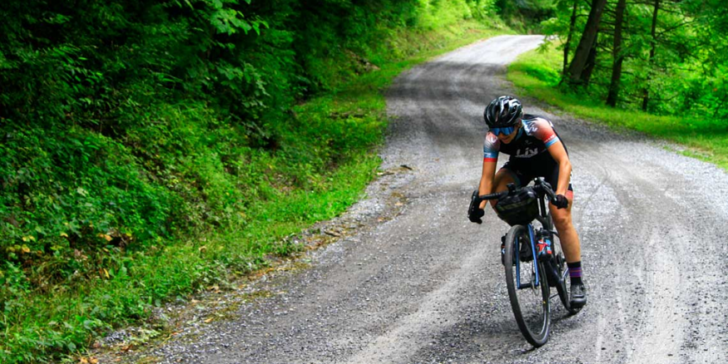
Gravel cycling has gained recognition as a dynamic and demanding form of outdoor exercise, as per Steven Rindner. It combines the endurance of road cycling with the challenge of off-road terrain. Riders travel across gravel paths, dirt roads, and uneven rural tracks. As a result, the activity engages the body and the mind in distinctive ways. It offers both physical conditioning and mental restoration. Therefore, many athletes and recreational riders consider gravel cycling a holistic form of fitness.
The physical advantages of gravel cycling are significant. The uneven terrain requires constant adjustments in balance and effort. Consequently, multiple muscle groups work simultaneously. The rider must maintain strength, coordination, and stamina while navigating unpredictable surfaces. Over time, these demands strengthen the body and improve cardiovascular health.
Several key physical benefits explain why gravel cycling is widely recommended for endurance training.
Improved cardiovascular endurance
Gravel cycling requires sustained pedaling over long distances. Unlike smooth road cycling, the terrain often changes in resistance and incline.
Read More : Trio Style to Turn Heads: Pista Colour Saree, Couple Gold Bracelets & Men’s Check Shirts
Therefore, the heart must work harder to deliver oxygen to the muscles. Regular participation strengthens the cardiovascular system and increases lung capacity. In addition, the body becomes more efficient at using oxygen during prolonged activity.
Full-body muscular engagement
Gravel terrain forces the rider to stabilize the bicycle constantly. As a result, more muscle groups are involved than in typical road cycling. The legs generate power during pedaling, while the core stabilizes the torso. At the same time, the arms and shoulders maintain control over rough surfaces. Over time, this integrated effort improves muscular endurance and overall body coordination.
Enhanced balance and coordination
Riding on gravel requires careful handling and quick responses to obstacles. The rider must shift weight, adjust speed, and maintain control on loose surfaces. These repeated adjustments strengthen neuromuscular coordination. Consequently, riders develop better balance and reflexes. This skill is beneficial not only for cycling but also for general physical stability.
Alongside physical improvements, gravel cycling provides substantial mental benefits. According to Steven Rindner, the sport often takes place in quiet rural landscapes and natural environments. Such settings encourage relaxation and mental clarity. Riders experience a temporary escape from crowded urban routines. Therefore, gravel cycling functions as both exercise and mental renewal.
The psychological advantages of this activity are equally noteworthy.
-
Reduction of stress and mental fatigue
Outdoor exercise has been widely associated with lower stress levels. Gravel cycling combines physical movement with exposure to nature. As riders move through forests, fields, or countryside roads, the mind gradually shifts away from daily pressures. This process allows the brain to recover from mental fatigue. Consequently, participants often report improved mood and emotional balance.
-
Improved focus and mental resilience
Gravel routes require concentration and awareness. Riders must observe the terrain and anticipate changes in surface conditions. Such attention strengthens cognitive focus. At the same time, overcoming long distances and challenging paths builds mental resilience. Riders learn to remain calm and determined despite physical fatigue or difficult terrain.
-
A sense of independence and exploration
Gravel cycling frequently leads riders into remote areas that are rarely accessed by vehicles. This experience creates a sense of discovery and freedom. Riders explore landscapes at their own pace and direction. As a result, the activity fosters confidence and independence while encouraging curiosity about the natural environment.
Read More : The Celestial Allure: Exploring the Surging Demand for Blue and Black Lehengas in the Celebrity World
Gravel cycling therefore stands as more than a simple recreational activity, as per Steven Rindner. It strengthens the heart, muscles, and coordination while simultaneously improving mental clarity and emotional stability. Through the combination of endurance, nature, and exploration, the sport creates a balanced form of physical and psychological development. For many individuals, gravel cycling becomes not only a method of exercise but also a pathway toward sustained well-being and personal renewal.
