
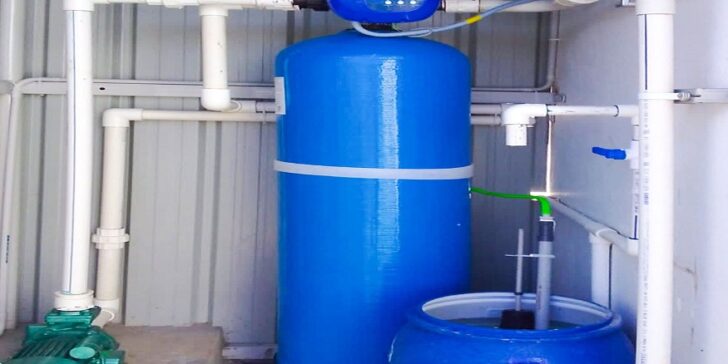
Hard water is a common issue in many households, leading to scale buildup in pipes, appliances, and bathroom fittings. A home water softener helps remove excess calcium and magnesium, improving water quality and extending the life of plumbing systems. However, like any essential home appliance, it requires regular maintenance to perform efficiently. Here is a comprehensive guide to maintaining your home water softener.
How a Water Softener Works
operate using an ion exchange process. Hard water passes through a resin bed where calcium and magnesium ions are replaced with sodium or potassium ions. Over time, the resin beads become saturated and need regeneration using a salt brine solution. Proper maintenance ensures this regeneration process works effectively and prevents system failure.
Read More: How Gear Pumps Are Transforming Industrial Workflow and Efficiency
Signs Your Water Softener Needs Attention
Watch for these warning signs:
- Soap not lathering properly
- White scale buildup on faucets
- Stiff laundry
- Dry skin and hair
- Increased salt consumption
These indicators suggest the system may not be functioning efficiently.
Essential Maintenance Tips for Home Water Softeners
1. Check Salt Levels Regularly
Salt is crucial for the regeneration cycle.
- Inspect the brine tank at least once a month.
- Keep the tank at least half full of salt.
- Use high-quality salt to prevent impurities.
Low salt levels can stop the regeneration process, while excessive buildup can cause salt bridging, which is a hard crust forming in the tank and preventing proper dissolving.
2. Clean the Brine Tank Annually
Over time, sludge and sediment can accumulate at the bottom of the brine tank.
Steps
- Disconnect the system from the power and water supply.
- Remove leftover salt.
- Clean the tank with mild soap and warm water.
- Rinse thoroughly before refilling with fresh salt.
Annual cleaning helps maintain efficiency and prevents contamination.
3. Inspect and Clean the Resin Bed
The resin beads inside the softener tank perform the ion exchange process. Depending on water quality and usage, resin may require cleaning every one to two years. In areas with high iron content, more frequent cleaning may be necessary. Special resin cleaners can remove iron and mineral buildup. If water starts feeling hard again despite proper salt levels, the resin bed may need attention.
4. Check for Leaks and Valve Issues
Inspect the system for water leaks around fittings, cracked hoses, malfunctioning control valves, and unusual noises during regeneration. Addressing minor issues early prevents costly repairs.
5. Maintain the Pre Filter
Many water softeners include a sediment pre-filter to remove dirt and debris before water enters the resin tank.
Replace or clean the pre-filter as recommended, usually every three to six months. A clogged filter reduces efficiency and increases pressure on the system.
Read More : 5 Indian Art Forms And Their Motifs
6. Schedule Professional Servicing
Even with regular home maintenance, professional servicing once a year is recommended. A technician can inspect internal components, test system settings, replace worn-out parts, and optimise regeneration cycles. Professional checkups extend the lifespan of the softener and ensure optimal performance.
Conclusion
A home water softener is a valuable investment that protects plumbing, appliances, and daily comfort. Regular maintenance, such as monitoring salt levels, cleaning the brine tank, checking resin health, and scheduling professional service, ensures long-lasting performance.
With proper care, most water softeners can operate efficiently for ten to fifteen years or more. Consistent upkeep not only improves water quality but also saves money on repairs and appliance replacements in the long run.
